


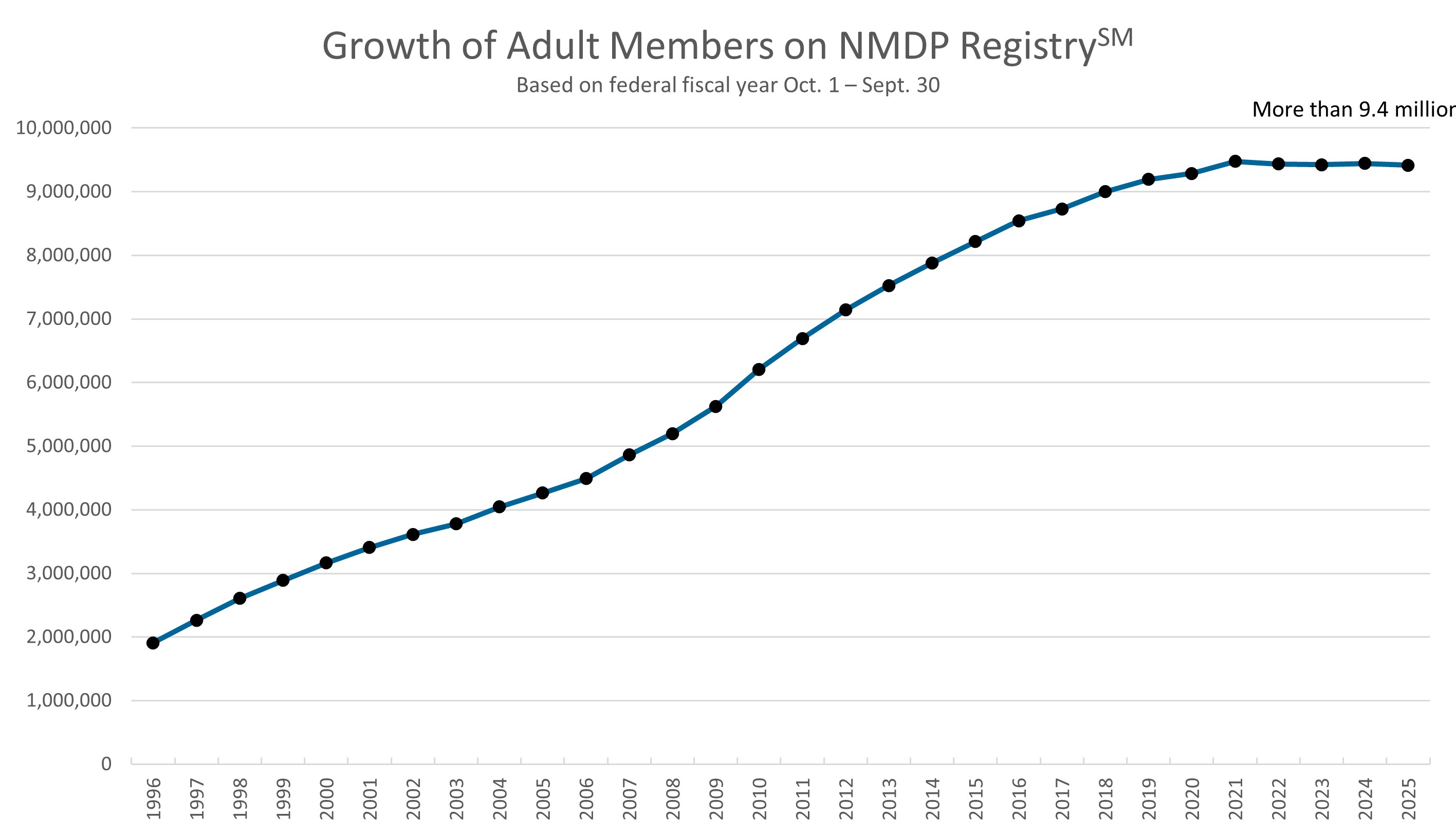
Data about the number of potential marrow donors and donated umbilical cord blood units listed on the donor registry of the C.W. Bill Young Cell Transplantation Program (CWBYCTP), including the National Cord Blood Inventory, are reported annually.
One of the CWBYCTP goals is to increase the number of marrow donors and cord blood units on the CWBYCTP donor registry. The program seeks to help more people who have difficulty finding a matching donor by placing special emphasis on registering marrow donors and collecting cord blood units from these genetically varied communities:
- American Indian or Alaska Native
- Asian
- Black or African American
- Hispanic or Latino
- Native Hawaiian or Other Pacific Islander
The growth in numbers of marrow donors and cord blood units, plus the genetic variability of the registry, are improving all patients' chances of finding the match they need.
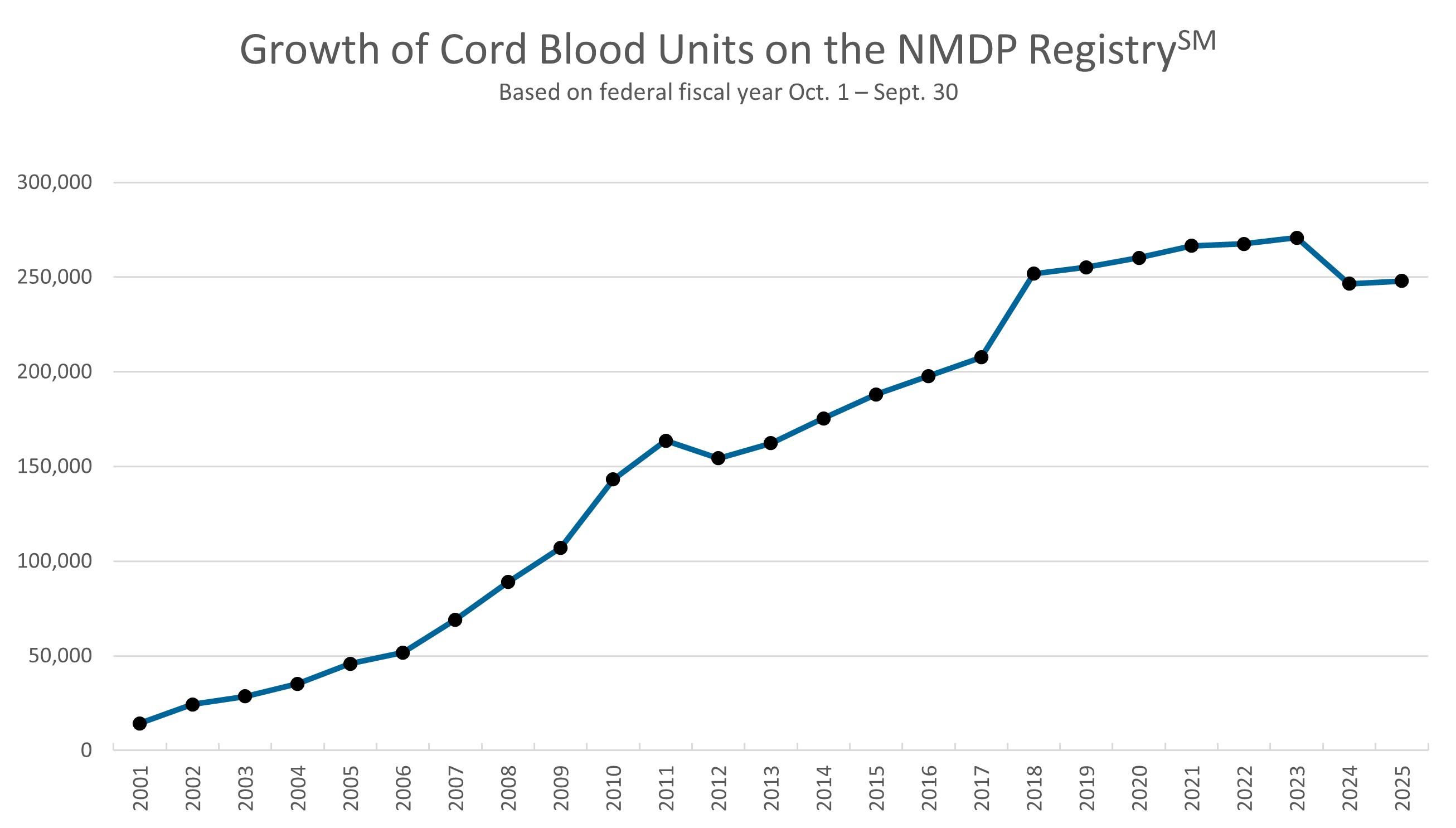
The U.S. registry contains more than 247,900 available cord blood units. This total includes more than 121,000 available units from the National Cord Blood Inventory (NCBI), with 3,900 NCBI units added in 2025.
Genetic Variability of Cord Blood Units on the NMDP RegistrySM 2025
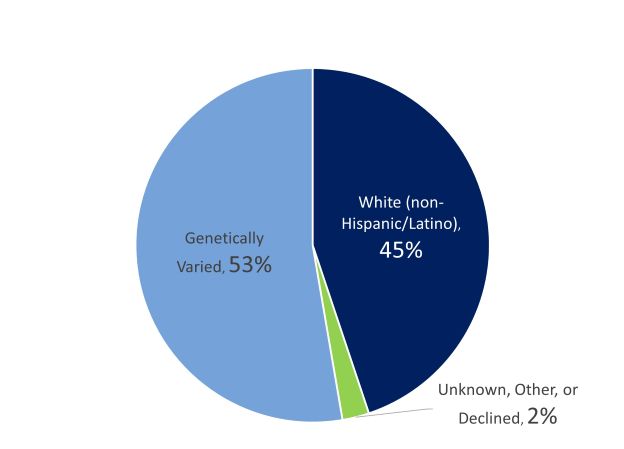
Genetically varied cord blood units include those from babies whose parents identify as:
- American Indian or Alaska Native
- Asian
- Black or African American
- Hispanic or Latino
- Native Hawaiian or Pacific Islander
- More than one ancestry
More than 130,000 cord blood units on the U.S. registry in 2025 were from babies whose parents identify as:
- American Indian or Alaska Native
- Asian
- Black or African American
- Hispanic or Latino
- Native Hawaiian or Other Pacific Islander
- More than one ancestry
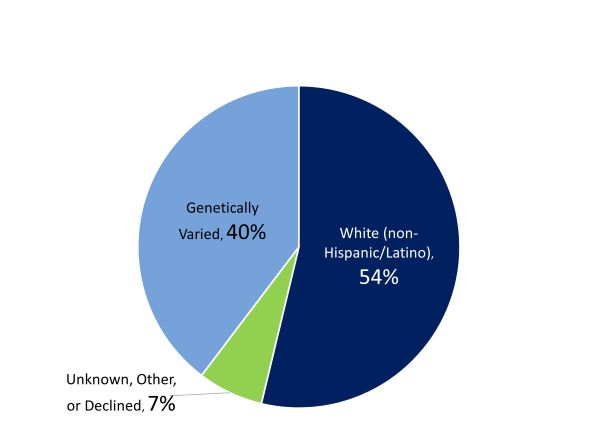
Genetic Variability of U.S. Adult Donors on the NMDP Registry 2025
Genetically varied cord blood units include those from babies whose parents identify as:
- American Indian or Alaska Native
- Asian
- Black or African American
- Hispanic or Latino
- Native Hawaiian or Pacific Islander
- More than one ancestry
More than 3.7 million U.S. volunteers on the registry in 2025 were from these genetically varied communities:
- American Indian or Alaska Native
- Asian
- Black or African American
- Hispanic or Latino
- Native Hawaiian or Other Pacific Islander
- More than one ancestry
| Ancestry | Volunteer Marrow Donors |
|---|---|
| American Indian or Alaska Native | More than 129,000 (1%) |
| Asian | More than 896,000 (10%) |
| Black or African American | More than 732,000 (8%) |
| Hispanic or Latino | More than 1.2 million (13%) |
| Two or more ancestries | More than 730,000 (8%) |
| White, non-Hispanic or Latino | More than 5 million (54%) |
Note: May not add up to 100% due to Unknown, Other, and Declined to answer.
| Ancestry | Cord Blood Units |
|---|---|
| American Indian or Alaska Native | More than 900 (<1%) |
| Asian | More than 12,000 (5%) |
| Black or African American | More than 25,000 (10%) |
| Hispanic or Latino | More than 60,000 (24%) |
| Two or more ancestries | More than 30,000 (12%) |
| White, non-Hispanic or Latino | More than 111,000 (45%) |
Note: May not add up to 100% due to Unknown, Other, and Declined to answer.
Successful outcomes depend on a matching donor
Learn more about the need for donors.